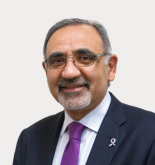
Associate medical professor of biochemistry and pharmacology. His laboratory develops nitric oxide- and hydrogen sulfide-releasing compounds (NOSH-NSAIDs) for the prevention and treatment of colon, pancreatic, and ER-negative breast cancers.

Associate professor in the Departments of Pathology and Molecular & Cellular Biology. Her lab studies the Ly6 gene family in TGF-β signaling and immune escape, with a focus on triple-negative breast cancer and targeted therapy resistance.
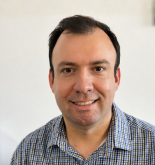
Associate professor in the Department of Immunology and Immunotherapy and the Precision Immunology Institute. His laboratory develops pharmacological approaches to promote natural killer (NK) cell-mediated immunity against solid tumors and hematologic malignancies.
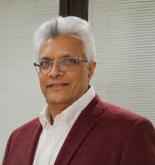
Senior investigator studying ATP-binding cassette (ABC) drug transporters, including P-glycoprotein, and their role in multidrug resistance — with the goal of developing strategies to restore chemotherapy sensitivity.

Professor of cancer biology whose lab studies the mechanisms by which anticancer drugs induce cell death, and designs new nucleic-acid-based therapeutics, including a novel fluoropyrimidine polymer platform.

Professor of pharmacology researching cellular mechanisms of drug resistance in cancer, using kinome-wide proteomics to understand how cancer cells respond and adapt to targeted therapies.